

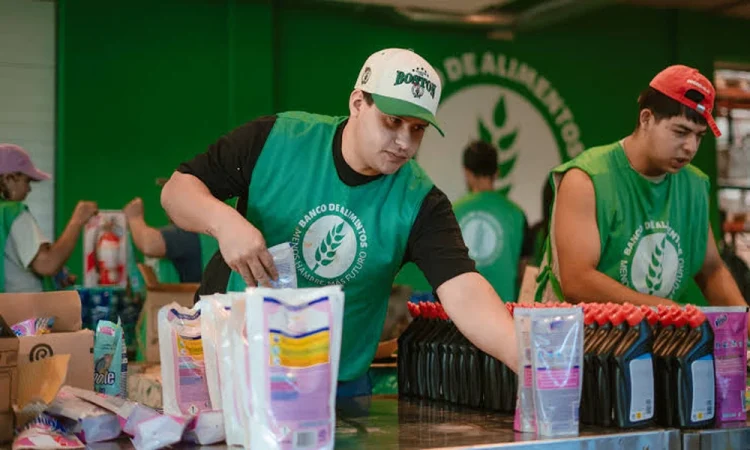
Food donations are more than acts of generosity. They represent a powerful way to strengthen communities, support struggling families, and create meaningful connections between people. While donating food is often associated with providing immediate hunger relief, its impact extends far beyond a single meal. Food donation programs encourage social responsibility, reduce food insecurity, and bring individuals together around a shared purpose. When communities actively participate in food donation initiatives, they create a stronger support system that benefits everyone, particularly those experiencing financial difficulties.
Food Donations as a Foundation for Community Support
A strong community is built on cooperation, compassion, and the willingness to support others during challenging times. Food donations contribute to this foundation by ensuring that individuals and families have access to essential nutritional resources when they need them most.
Many households experience unexpected financial difficulties due to unemployment, rising living expenses, medical emergencies, or other personal circumstances. During these situations, access to donated food can help families manage their immediate needs while directing limited financial resources toward housing, utilities, and healthcare.
Community food donation programs also encourage residents to recognize shared challenges and work collectively toward practical solutions. This cooperation helps establish stronger relationships between neighbors, volunteers, charitable organizations, and local businesses.
Making Food Assistance More Accessible
Accessibility plays an important role in the success of food donation programs. People who want to contribute often look for convenient opportunities to donate, while families seeking assistance need reliable information about available community resources.
Searching for food donations near me can help individuals discover local food pantries, donation centers, community kitchens, and nonprofit organizations that accept food contributions. These resources provide opportunities for residents to support hunger relief efforts without traveling long distances.
Local donation centers often work closely with volunteers and community organizations to collect, organize, and distribute food. Their understanding of neighborhood needs allows them to provide assistance where it can make a meaningful difference.
Improving awareness about these programs encourages greater participation and helps connect available resources with people who need them.
Strengthening Relationships Through Shared Responsibility
Food donation initiatives create opportunities for meaningful interaction among people from different backgrounds. Volunteers, donors, community leaders, and recipients become part of a shared effort focused on improving local well-being.
Organizing neighborhood food drives, workplace collection campaigns, and school donation programs encourages teamwork and develops a stronger sense of community responsibility. These activities also help participants understand the challenges faced by families experiencing food insecurity.
When people contribute their time, resources, or organizational skills, they develop a deeper connection to their communities. Such involvement can inspire additional volunteer activities and strengthen relationships that continue beyond individual donation events.
Reducing Food Waste Through Responsible Giving
Food waste remains a significant concern, particularly when usable food is discarded while many households struggle to access adequate meals. Responsible food donation programs can help address both challenges by redirecting suitable surplus food toward individuals who need assistance.
Restaurants, grocery stores, farms, and food businesses may have excess products that remain safe for consumption but cannot be sold through regular channels. Partnering with food recovery organizations allows these businesses to distribute appropriate food instead of unnecessarily discarding it.
Households can also contribute by donating unopened, unexpired, shelf-stable products that meet the requirements of local food assistance organizations. Checking donation guidelines beforehand ensures that contributions are safe, useful, and suitable for distribution.
Supporting Families Beyond Immediate Hunger Relief
The benefits of food donations extend into several areas of family wellbeing. Reliable access to nutritious meals can reduce financial pressure and allow households to focus on other important responsibilities.
For parents, food assistance may provide additional flexibility when managing school expenses, transportation, and essential household bills. Children who receive adequate nutrition are better positioned to participate in daily educational activities and maintain healthy routines.
Older adults and individuals experiencing temporary financial hardship may also benefit from accessible community food programs. By addressing immediate nutritional needs, these initiatives contribute to greater household stability and help families navigate difficult periods with dignity.
Encouraging Long-Term Community Participation
Sustainable food donation programs depend on consistent involvement rather than occasional contributions. Communities can strengthen their efforts by establishing regular collection schedules, encouraging recurring donations, and developing partnerships with local organizations.
Schools can introduce food donation activities that teach students about compassion and civic responsibility. Businesses can organize employee volunteer programs, while neighborhood groups can coordinate seasonal donation campaigns.
Financial contributions are another valuable option because food assistance organizations can often purchase specific products needed by the families they serve. Combining food contributions, monetary support, and volunteer participation creates a more flexible and effective assistance network.
Conclusion
Food donations represent an investment in stronger, more connected communities. Beyond providing immediate hunger relief, they encourage cooperation, reduce unnecessary waste, support household stability, and promote a lasting culture of generosity. Every contribution, whether food, money, or volunteer time, can strengthen the network of support available to vulnerable families. By making food donation a regular community responsibility, individuals and organizations can help create neighborhoods where compassion becomes meaningful action, and fewer people face hunger alone.