
Why matching your event to your guests makes the difference
Your boss gives you the job of organising the summer BBQ or the December party. With your get-it-done attitude, you want to dive straight in. But hold on a moment. It usually pays to first take some time, think it through, and make a plan. The difference between a good event and a fantastic one lies in the details. Not just the details of the planning, but perhaps even more so in how well it matches your guests.
Event planners agree on this: an event that doesn’t fully match its guests is wasted money and wasted energy. Here’s a plan of approach.
Avoid getting it wrong and Involve your colleagues
Don’t do it alone. With a party committee (or event committee) you make better choices. You build support and can divide the tasks more effectively. If you’re pulling the cart on your own, at least check in with key in-company influencers. Every company has, aside from the managers, colleagues who are a bit more social than the rest and can’t wait for the next party. Ideally, you make the plans together with them. If they’re too busy to meet, at least ask for their feedback by email.
Decide what you want to achieve
Think carefully beforehand about what you, as colleagues, want to experience. What should the external guests experience? What feeling should they take home with them? This takes some time, but it puts everything into a clear framework. Is information being shared? Is a milestone being celebrated? Or is it a yearly or monthly recurring event that already carries a lot of expectations? Perhaps it’s simply about good food and drink. There may even be marketing or PR goals tied to the event.
Map out your guests
Write down who’s coming. Which subgroups can you identify? For example: the marketing and sales department with many young women. The IT department with many men aged 25 to 40 who enjoy gaming. Clients who want to be informed about the options for a cosmetic procedure. Or, at an operational company, the percentage of staff doing physically demanding work versus office staff.
Brainstorm the programme
Brainstorm about the programme and the activities. Once it’s clear “what” you want to achieve and “who” is coming, fun ideas start flowing naturally. Here too, it’s important to involve your colleagues and consult with them.
Choose activities with broad appeal
Choose easily executable, light-hearted items that will reach at least 80% of the guests. A football game might be fun for the IT guys, but possibly less suitable for the ladies in admin.
Think about your clients too
Aside from what you organise for colleagues, also ask the sales or marketing department what you could do for clients. They know these clients personally and can give you the best advice.
Build a run sheet
Build a run sheet with all start and end times. Think about where the potential bottlenecks are. This gives you the chance to find solutions for them in advance.
Account for practical obstacles
It won’t be the first time that food spoils because a director’s speech ran too long and nothing could be served in the meantime. Even something as simple as the use of the (only) lift during setup can cause problems. Think of an event where several suppliers are unloading equipment: catering, lighting and sound, a DJ. Setup can face serious delays purely from waiting for a lift that never seems to come. If the staff in that building also use the lift for their lunch break, the delay only gets bigger.
Plan for the unexpected
A run sheet is great, but in practice things often go differently. A performer is delayed. A speaker calls in sick. A caterer needs more time to serve the food. Keep this in mind.
Choose proven event partners
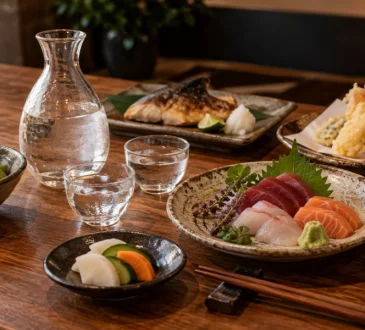
Choose event partners with a proven track record in their field. A good event is the sum of many details, and good suppliers in the event industry understand that. A good catering service that thinks along with you saves a lot of hassle. Consider a partner like cateringamsterdam.com, who helps you tailor the menu to your guests, rather than the other way around. A decorator who understands what you’re looking for translates that into an atmospheric space. A performer experienced in keeping a large group engaged adds extra flair and creates extra special memories. Pay a bit more for these investments, so you know it’s handled properly, rather than going for the cheapest option.
Arrange transport if alcohol is served
If alcohol is served, think about transport to get your guests home. You don’t want your guests getting behind the wheel after a few drinks. A taxi, Uber, or a minibus with a driver, for example through rentautobus.com, rounds off the story and the experience. That way your guests get home safely.
On rentautobus.com, you can easily rent transportation at city level. For example, you can hire a minibus in Amsterdam or in other cities.
Frequently asked questions
How much time should I set aside in advance for planning a corporate event?
It depends on the size of the event, but for an average summer BBQ or December party, plan on at least six to eight weeks. This gives you room for coordinating with colleagues, arranging suppliers, and handling unexpected setbacks.
Events around certain dates require a longer lead time. For December events, many suppliers are fully booked months in advance for the last Thursday before Christmas, and often the Thursday before that too. The weeks right before and right after the summer holidays are also very busy.
What if I don’t have a budget for external suppliers?
With suppliers, the rule is: invest where it most affects the guest experience, which is often the catering, and save on the rest. There’s bound to be a colleague who wants to DJ or run the karaoke machine. A photo booth can also be arranged in-house on a low budget, and simple games don’t need to cost money if colleagues lend a hand.
What if my colleagues say they’re too busy?
Appeal to the shared goal of your plan, and ask them to at least respond to your emails with feedback and ideas.
How do I avoid an event being too focused on one target group?
Map out in advance which subgroups are coming (see above). Choose activities with broad appeal rather than ones aimed at just one group. A mix of programme elements usually works better than a single activity for everyone.
Is transport for guests really necessary if alcohol is served?
Yes. Besides your guests’ safety, it also says something about how your company looks after its people. An arranged taxi, Uber, or minibus with driver is a small investment that makes a big difference.