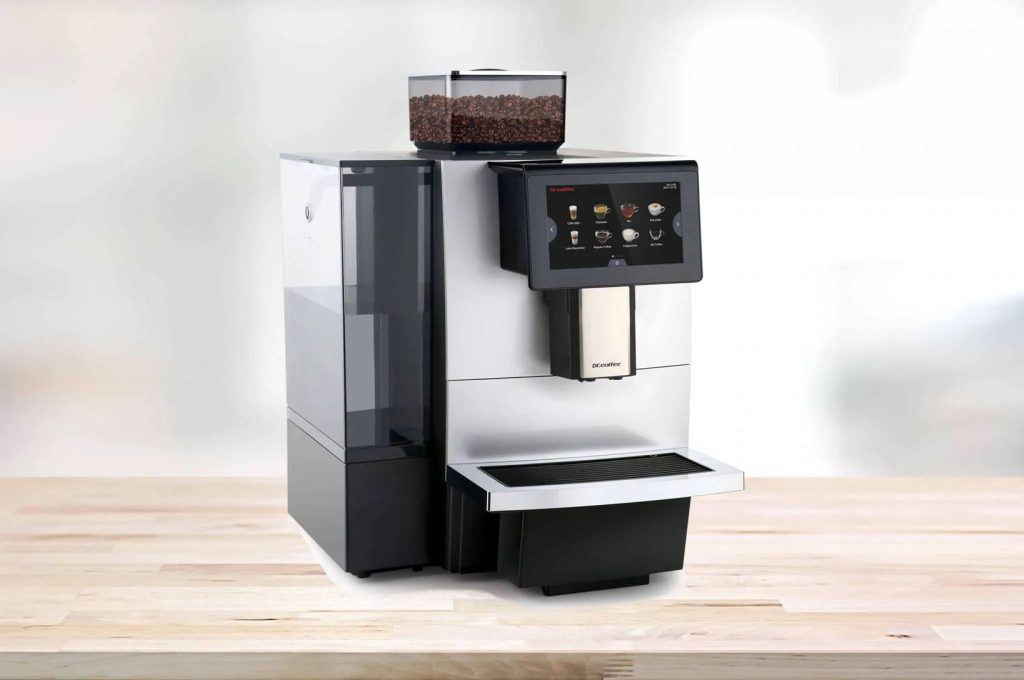
Commercial Coffee Machines Singapore: Features to Compare
When evaluating a commercial coffee machine in Singapore, the sheer number of features, specifications, and marketing claims can overwhelm even experienced operators. Yet beneath the noise, a handful of critical features genuinely determine whether a machine will serve your business well or become an expensive disappointment. Understanding what to compare – and what to ignore – separates informed buyers from those who learn costly lessons after installation.
Brewing System: The Core of Every Machine
The brewing system is the feature that matters most, and it is where the greatest variation exists between models. Every other capability depends on the quality and design of this central mechanism.
Boiler Configuration
Commercial coffee brewing equipment uses one of three boiler arrangements, each with distinct advantages:
- Single boiler: Heats water for both brewing and steaming, requiring a pause between functions. Suitable only for very low-volume operations where milk drinks are infrequent.
- Heat exchanger: Uses a single large boiler with an internal heat exchange system that allows simultaneous brewing and steaming. A solid choice for medium-volume cafes.
- Dual boiler: Dedicates separate boilers to brewing and steaming, each set to its optimal temperature. The professional standard for high-volume environments where speed and consistency are non-negotiable.
For most Singapore businesses serving milk-based drinks – and that includes the vast majority of cafes, restaurants, and offices – a dual-boiler or heat-exchanger system is essential. The few hundred dollars saved by choosing a single-boiler machine will cost far more in lost productivity and compromised quality.
Extraction Pressure and Profiling
Standard commercial espresso machines operate at nine bars of pressure. However, advanced models now offer programmable pressure profiling, allowing operators to vary pressure throughout the extraction. This capability is invaluable for specialty coffee shops that work with diverse bean origins and roast profiles.
“Pressure profiling has changed how we approach coffee in our outlets,” says Priya Nair, Head of Quality at a multi-location Singapore cafe chain. “We can now tailor the extraction to each bean, bringing out flavours that a fixed-pressure system simply cannot achieve.”
Grinder Quality and Integration
The grinder is the second most important component in any coffee setup, yet it receives far less attention than the espresso machine itself. When comparing commercial coffee machines in Singapore, assess the grinder with equal rigour.
Burr Material and Size
Larger burrs grind more efficiently and generate less heat. Commercial bean-to-cup machines typically use burrs ranging from 50 to 65 millimetres in diameter. Ceramic burrs offer thermal advantages over steel but are more brittle and expensive to replace. For high-volume environments, steel burrs with a 64-millimetre diameter represent the optimal balance of performance and durability.
Grind Adjustment
Look for stepless grind adjustment rather than stepped settings. Stepless mechanisms allow infinitely fine calibration, which is essential when dialling in a new batch of beans or compensating for changes in humidity – a frequent necessity in Singapore’s tropical climate.
Milk System Design
Given that lattes, flat whites, and cappuccinos account for the majority of coffee orders in Singapore, the milk system deserves close scrutiny.
Manual Steam Wands vs. Automatic Systems
Traditional steam wands offer trained baristas maximum control over milk texture and temperature. Automatic milk systems sacrifice some of that control in exchange for consistency and speed. The choice depends on your staffing model. If you employ skilled baristas who take pride in their craft, a manual wand is preferable. If staff turnover is high or barista training is impractical, an automatic system delivers reliable results.
Cleaning and Hygiene
Milk residue is a hygiene risk that demands rigorous management. The best automatic milk systems include self-cleaning cycles that flush and sanitise milk lines after every use. Manual systems require disciplined staff protocols. When comparing machines, ask about cleaning cycle frequency, duration, and whether the process is automated or manual.
Digital Interface and Programmability
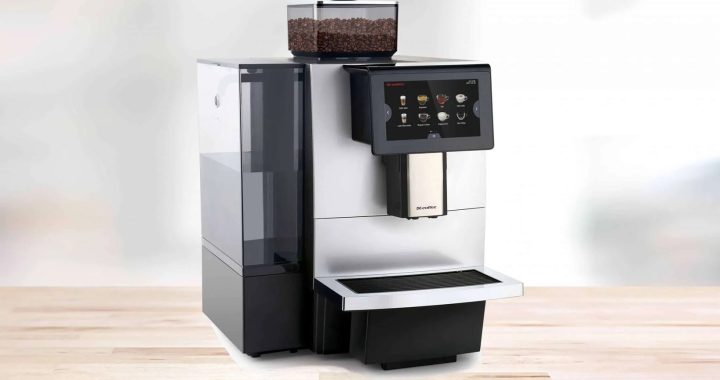
Modern barista machines feature touchscreen interfaces that allow operators to programme drink recipes, adjust parameters, and access diagnostic information. When comparing interfaces, evaluate:
- Intuitiveness of the menu structure and ease of training new staff
- Number of programmable drink recipes and customisation depth
- Availability of usage reports and consumption analytics
- Language options, particularly relevant in Singapore’s multilingual environment
Cloud connectivity is increasingly standard on premium commercial coffee machines in Singapore. This feature enables remote monitoring, firmware updates, and centralised management of multiple machines – a significant advantage for operators with several locations.
Build Quality and Serviceability
Construction Materials
Examine the materials used in high-wear components. Stainless steel frames, brass boilers, and commercial-grade pumps indicate a machine built for sustained heavy use. Plastic internal components are a warning sign in any machine marketed as commercial-grade coffee brewing equipment.
Access for Maintenance
A machine that is difficult to service will accumulate problems that degrade performance over time. Look for models with easy-access panels, tool-free removal of brewing units, and clear component labelling. Machines designed with serviceability in mind cost less to maintain and experience shorter downtime periods.
Water Filtration Compatibility
Singapore’s water supply is clean by global standards, but it still contains minerals that cause scale buildup in boilers and brewing components. Every commercial installation should include appropriate water filtration. When comparing machines, check compatibility with standard filtration systems and assess how easily filters can be replaced.
Making the Right Comparison
The features that matter most are those that directly affect your daily operation: brewing consistency, milk quality, reliability, and ease of maintenance. Flashy extras that look impressive in a showroom often add little value in a working environment. Focus your comparison on the fundamentals, test machines with your preferred beans, and choose a commercial coffee machine in Singapore that will perform reliably through years of demanding service.